

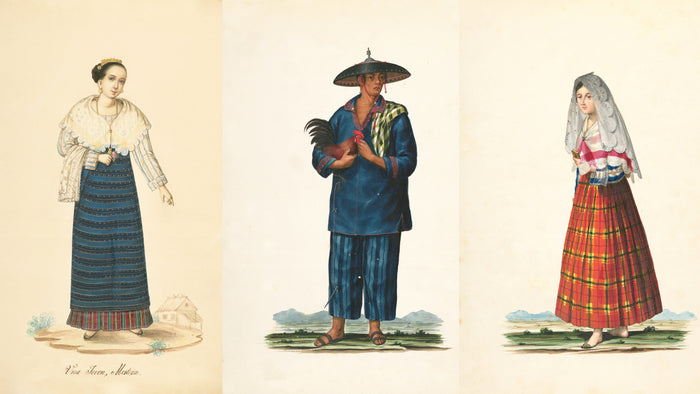
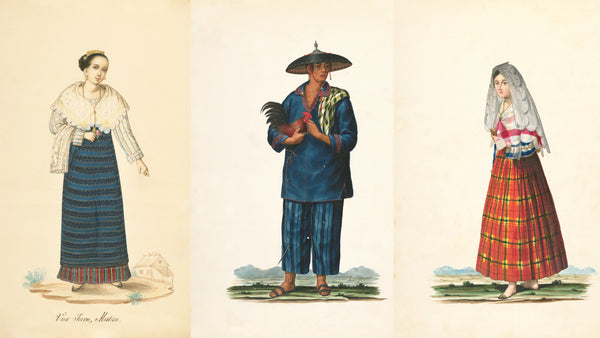
Mountain communities in the Cordillera region maintained distinct cultural traditions throughout the Spanish colonial period, many of which were documented by visiting artists and local painters in the 19th century. Among the most detailed visual records from this period are the ethnographic watercolors associated with the Tipos del País tradition, which sought to depict the peoples and customs of the archipelago.
Igorrote de Mayoyao is attributed to Filipino painter José Honorato Lozano, known for his mid-19th century watercolor works portraying life in the Spanish Philippines. The artwork depicts an Igorot figure from Mayoyao in present-day Ifugao, rendered in traditional attire and carrying customary weapons associated with highland communities of the period. Lozano’s works often combined documentary observation with the visual conventions of colonial ethnographic illustration, preserving details of clothing, tools, and regional identity. Produced around 1847, the image forms part of a broader body of works connected to Vistas de las Yslas Filipinas y Trages de sus Habitantes, a collection associated with Tipos del País imagery and Philippine costumbrista painting.
The work remains an important visual record of how Indigenous communities in Northern Luzon were represented during the late Spanish colonial period.
Available as a fine art print:
→ View print here


