

The horse was central to transport, labor, and status in the colonial Philippines, and a man on horseback signaled a degree of standing within rural society. The indio a caballo, the native man riding, was a common figure on the roads between towns and estates.
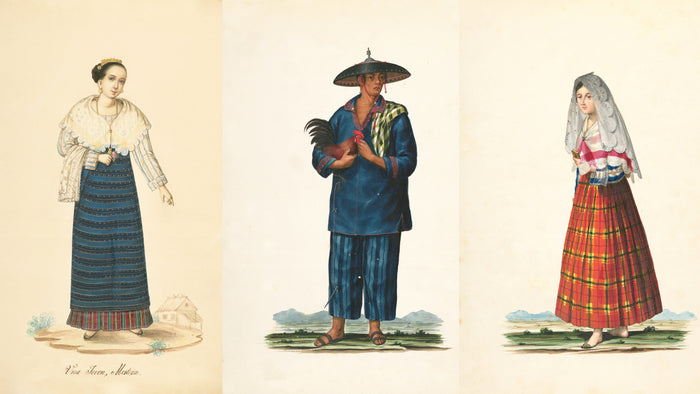
José Honorato Lozano documented this figure as part of his Tipos del País watercolors, a body of work produced in the mid-nineteenth century recording the costumes, occupations, and daily life of Philippine society. The Indio a Caballo depicts a native Filipino man riding, recording dress and custom of the period. Lozano worked primarily in Manila and produced illustrations that served as visual records of Philippine society for both local and foreign audiences. His work is considered among the most detailed and culturally specific visual documentation of the Philippines in the Spanish colonial period.
This print preserves a record of travel and daily movement in the colonial Philippine provinces.
Available as a fine art print
→ View print here


