

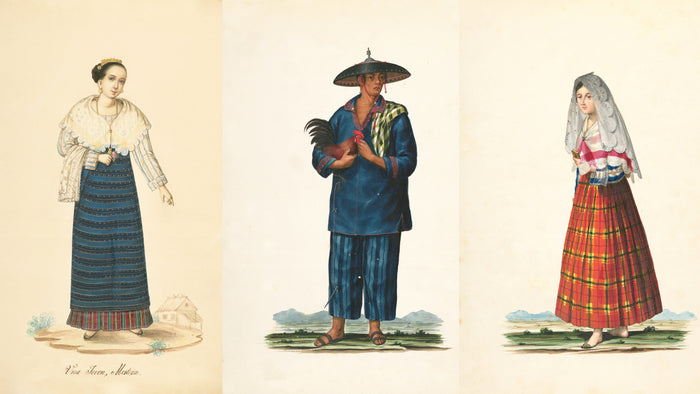
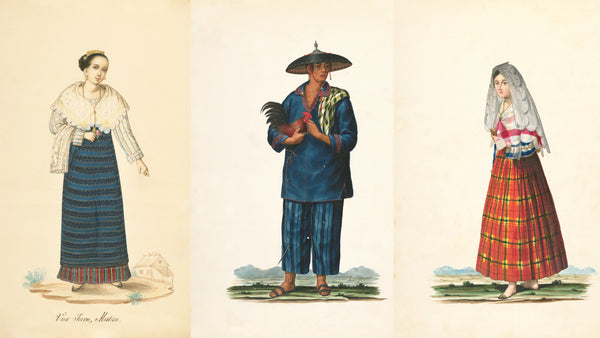
In the nineteenth century, tuba was among the most widely consumed beverages in the Philippines, produced from the fermented sap of coconut and nipa palms. The mananguetero, or tuba gatherer, was a familiar figure in rural communities across the archipelago, responsible for climbing palms and collecting the sap that sustained a significant part of the local economy.
José Honorato Lozano documented this figure as part of his watercolor illustrations of Philippine social life, a body of work produced in the mid-nineteenth century that parallels the Tipos del País tradition in its attention to costume, occupation, and social type. The Indio Mananguetero depicts the tuba gatherer in working dress with the tools of his trade, capturing both his livelihood and his place in colonial Philippine society. Lozano worked primarily in Manila and produced illustrations that served as visual records of Philippine society for both local and foreign audiences. His work is considered among the most detailed and culturally specific visual documentation of the Philippines in the Spanish colonial period.
This print preserves a record of a working trade that shaped rural Philippine life throughout the colonial period.
Available as a fine art print
→ View print here


