

Fishing was central to daily survival across the Philippine archipelago, and indigenous Filipinos developed specialized traps and tools suited to local waters. The salakab and nasa were woven bamboo fish traps used in rivers, shallows, and coastal flats throughout the islands.
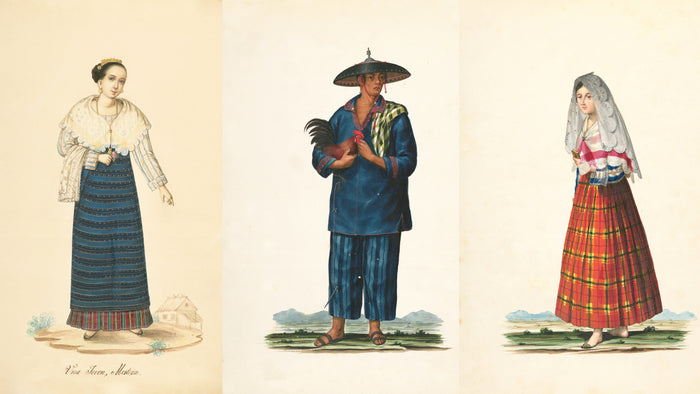
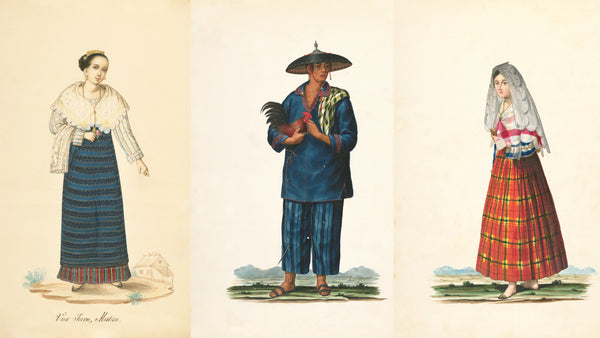
This 1847 watercolor by José Honorato Lozano depicts an indio fisherman with his salakab or nasa, the traditional bamboo trap used to catch fish in Philippine waters. Lozano recorded the figure in working dress, documenting the tools, posture, and labor of everyday Filipino life. His watercolor series is among the most detailed visual records of occupations and social types in the nineteenth-century Philippines, preserving the material culture of common people that written colonial documents rarely described.
This illustration documents a form of subsistence fishing that sustained Filipino communities long before and throughout the colonial period.
This piece is part of the Maynila Archive, a collection of Philippine historical visuals preserved and made accessible as fine art prints.
Available as a fine art print
View print here


