

Horses were essential to transport and labor in nineteenth-century Manila, and feeding them required a steady supply of sacate, the cut grass and fodder gathered from fields outside the city. The sacatero was the worker who cut and sold this fodder, a humble but necessary trade in the colonial economy.
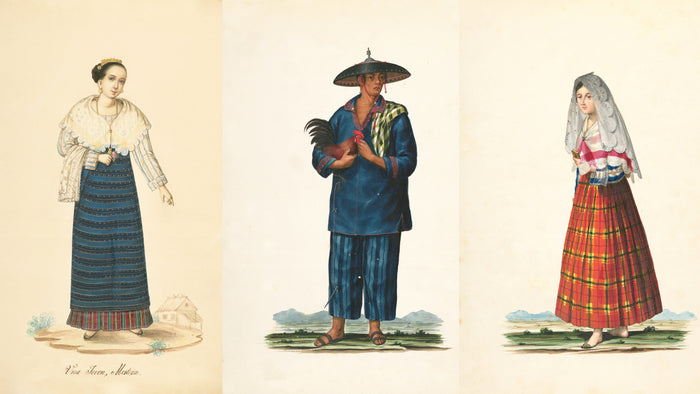
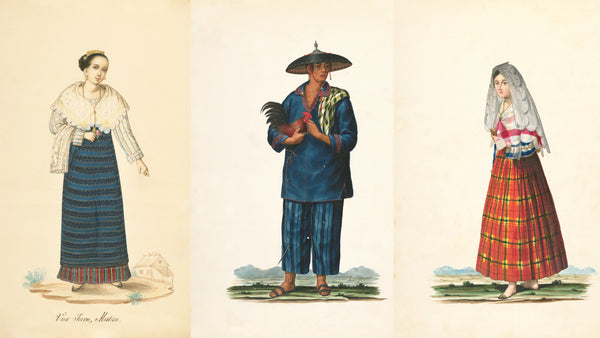
José Honorato Lozano documented this figure as part of his watercolor illustrations of Philippine social life, a body of work produced in the mid-nineteenth century that parallels the tipos del país tradition in its attention to costume, occupation, and social type. The Sacatero depicts the fodder gatherer in working dress with the tools of his trade, recording a livelihood tied to the daily workings of the colonial city. Lozano worked primarily in Manila and produced illustrations that served as visual records of Philippine society for both local and foreign audiences. His work is considered among the most detailed and culturally specific visual documentation of the Philippines in the Spanish colonial period.
This print preserves a record of a working trade that supported transport and labor in colonial Manila.
Available as a fine art print
→ View print here


